
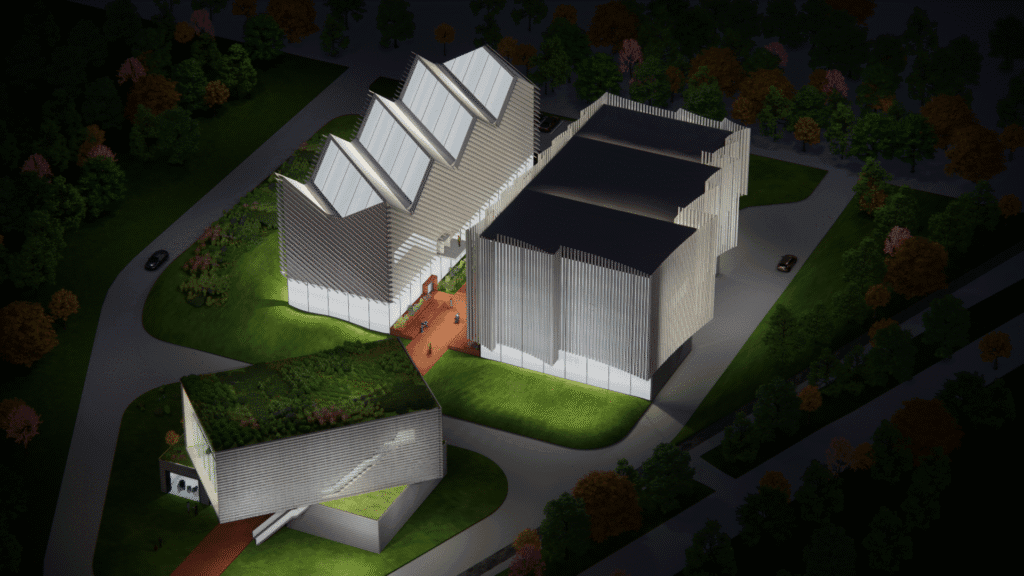
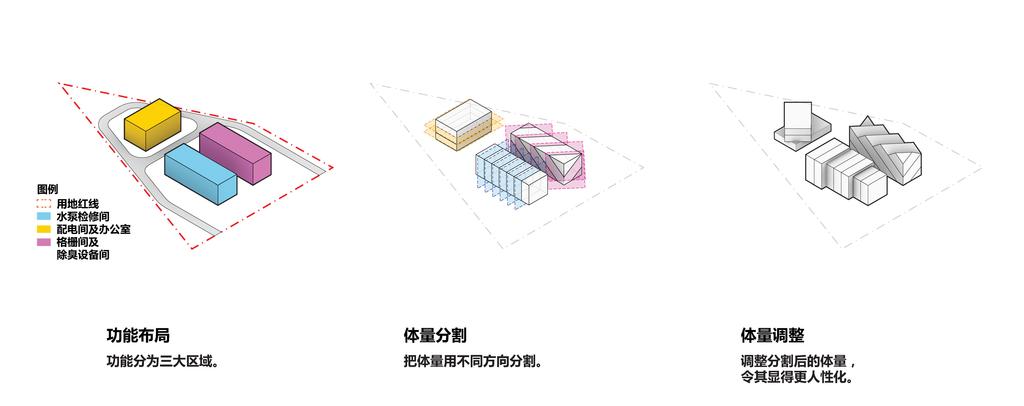
The project breaks away from the conventional enclosed and heavy form of infrastructures, advocating for a human-centered approach. Dividing the three volumes in different directions, creating architecture that is human-scaled and approachable.
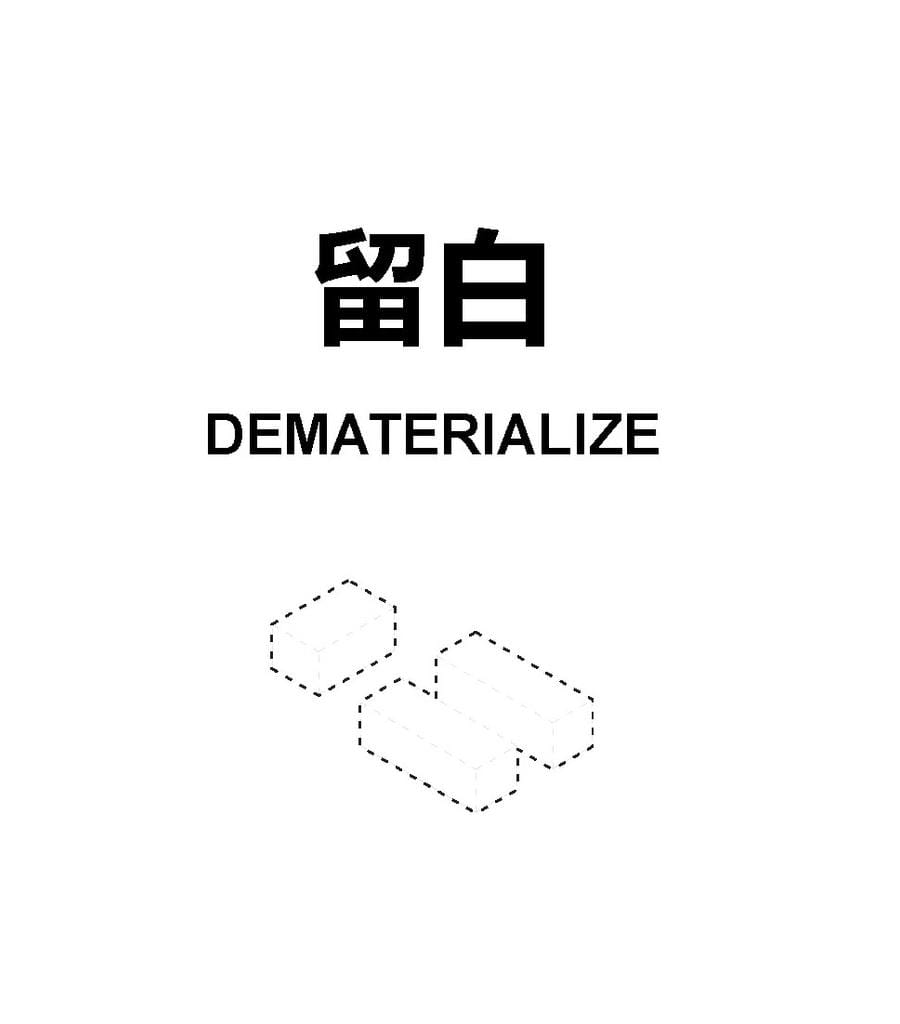
One of the timeless challenges in architecture is exploring how to construct massive buildings with a sense of lightness, mitigating the impact of such structures on inhabitants and the natural environment. We actively conceptualize the use of three types of architectural louvers to respond to three natural elements, alleviating the massive functional building volumes.
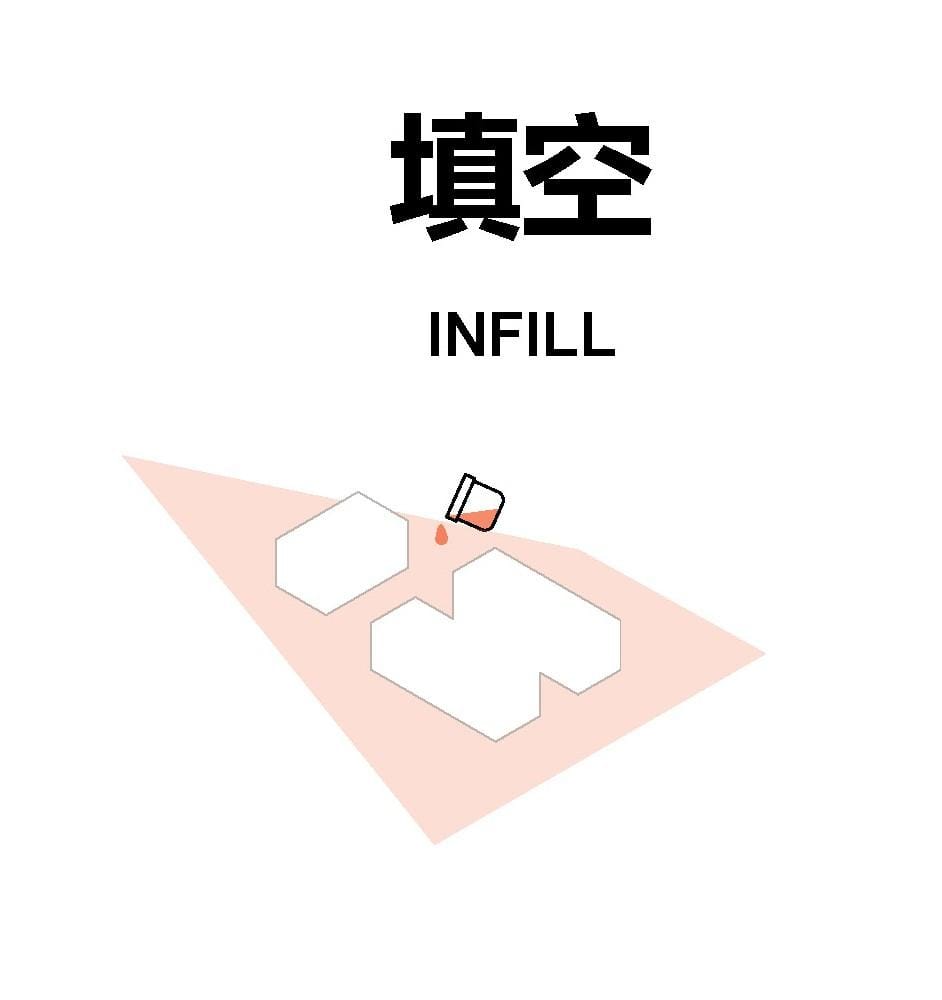
The design utilizes the existing fragmented land, employing landscape design techniques such as infill development and scenic creation to consolidate the vacant spaces between functional buildings. Low-maintenance passive landscaping elements—such as rain gardens, ecological grass swales, and permeable paving—enhance the site’s peripheral spaces. In addition to reducing the load on pumping stations, this approach provides sustainable green spaces for workers.
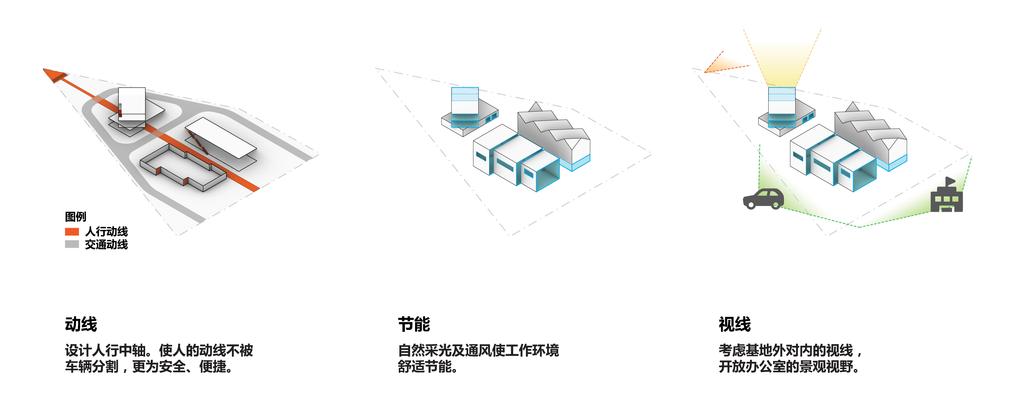
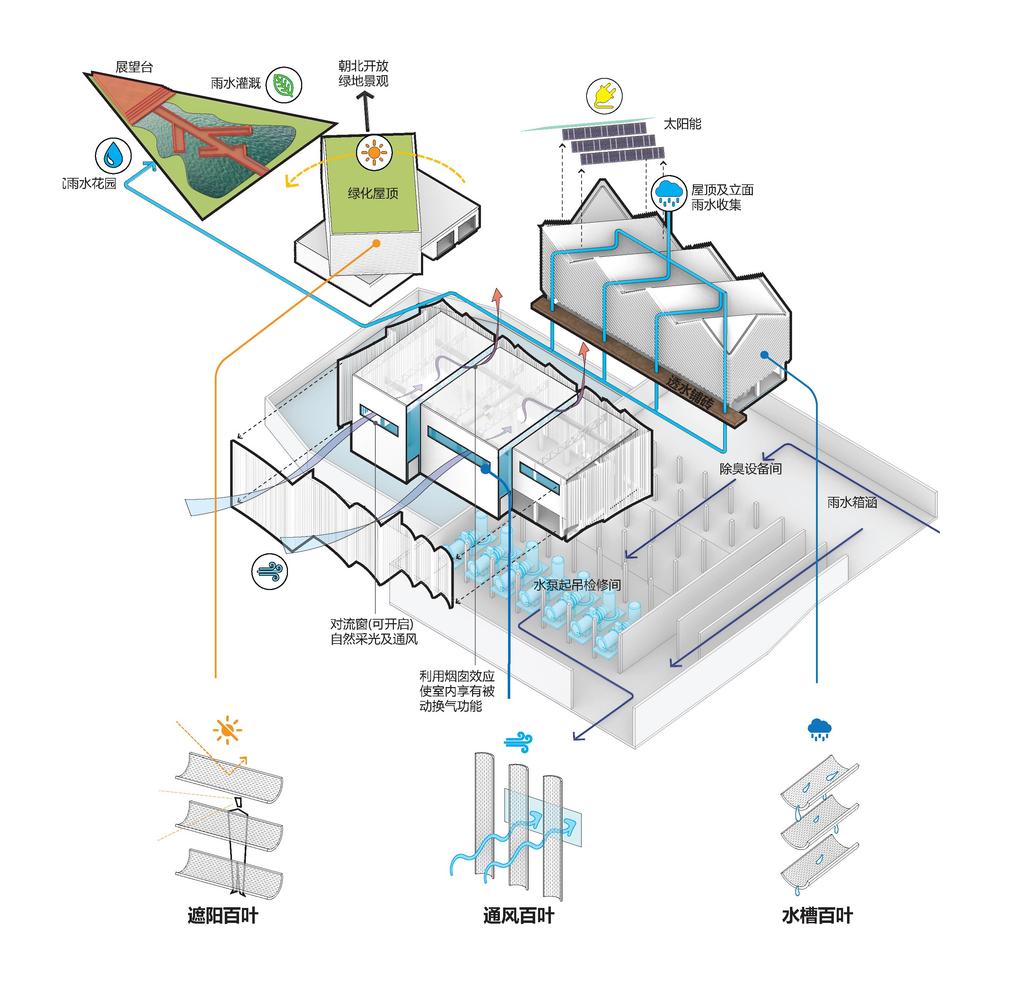
Featuring three typologies of louver design, each facade is composed of louvers running in different orientations. This allows natural light and ventilation into the building, optimizing indoor working environment while saving energy.
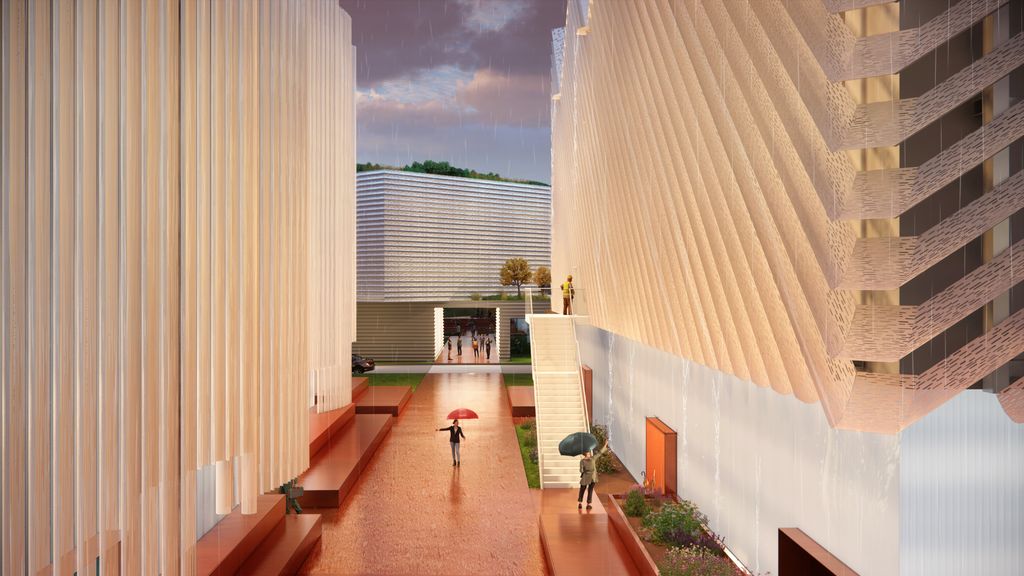
When it rains, the facade along the central pedestrian axis transforms into a water channel, directing rainwater to the plants and permeable paving— turning the landscape into an engaging and interactive space.
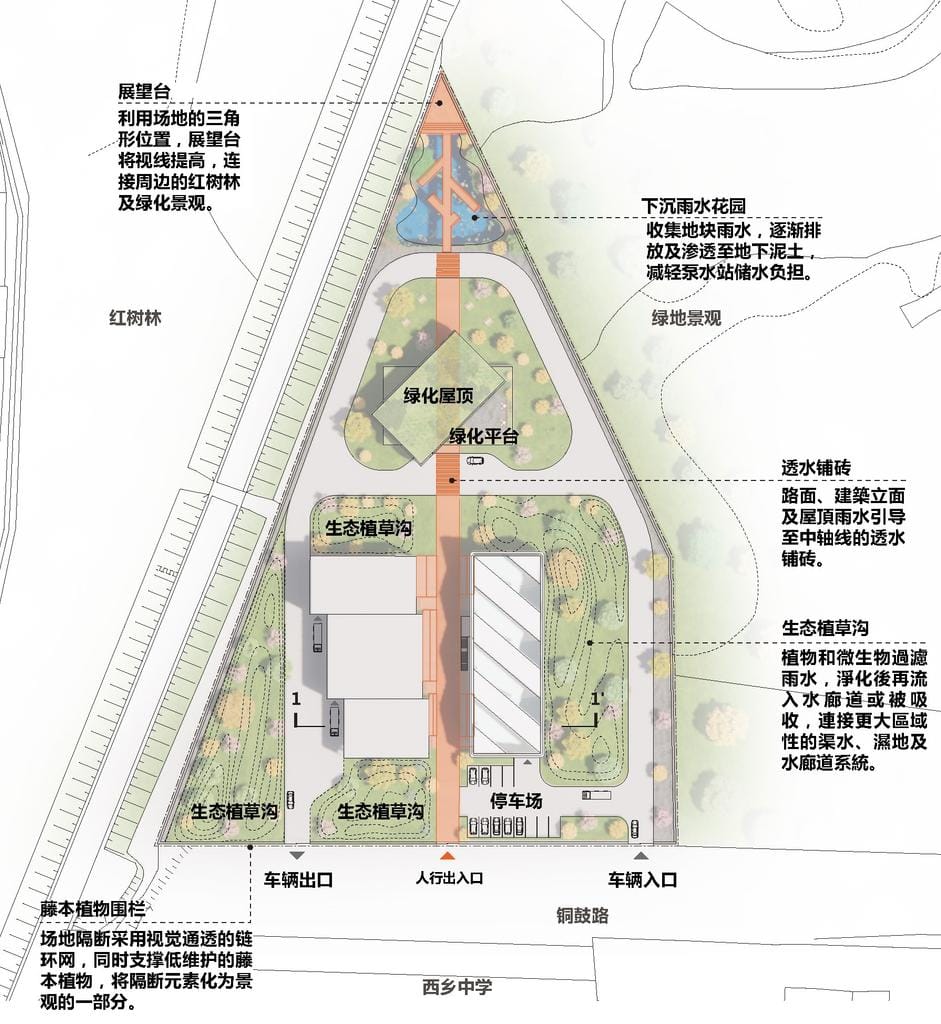
Apart from the functional buildings, the landscape plays a crucial role on the site, enhancing the existing ground space. By incorporating low-maintenance plants, the design reduces operational and maintenance costs while improving the functionality and efficiency of the stormwater station.
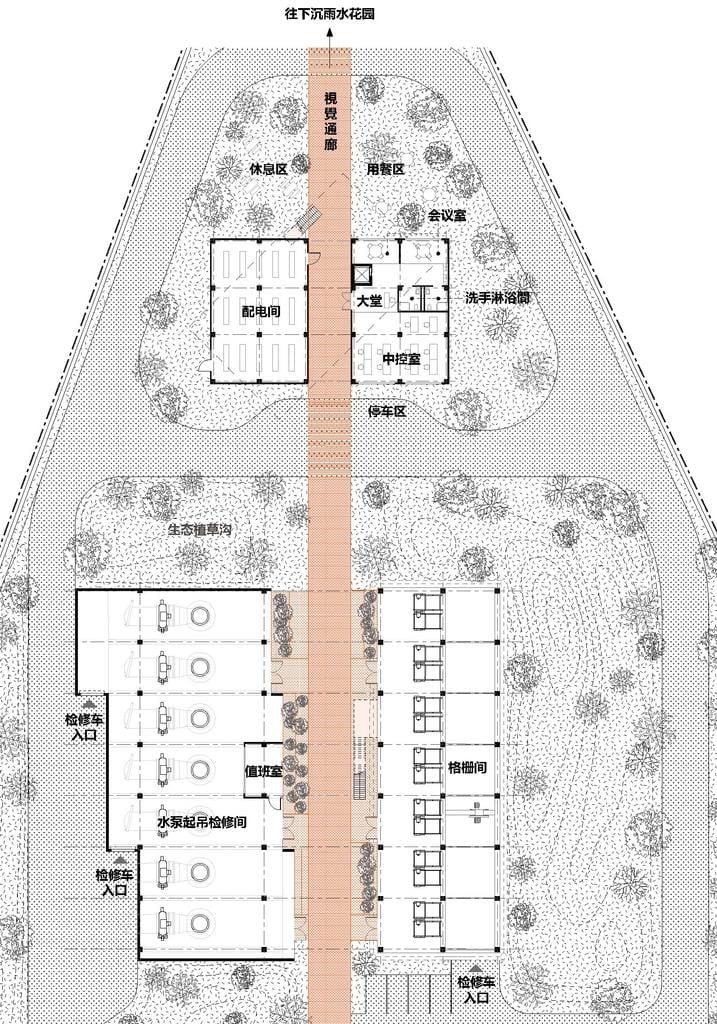
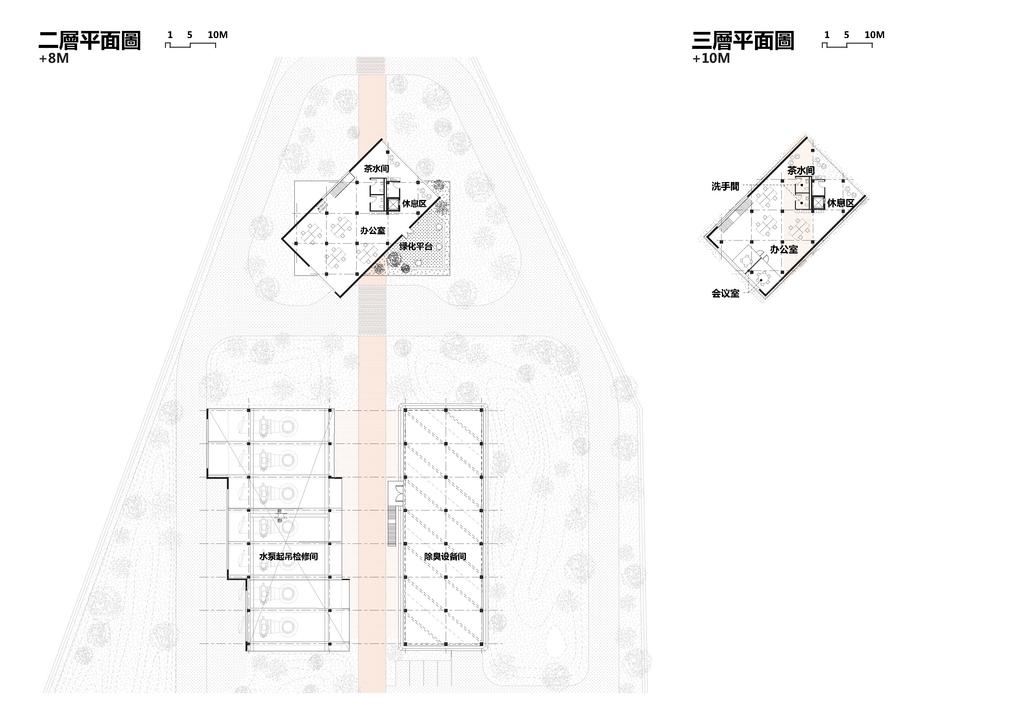
The design reflects the conceptual Chinese approach to elements that are opposing yet complementary, achieving a harmonious balance between architecture and landscape, industry and nature. Each building embodies the strength and functionality of the infrastructure, while the landscape represents the beauty and tranquillity of nature. By integrating the two, the design creates a space that not only meets contemporary needs but also coexists seamlessly with the natural environment.
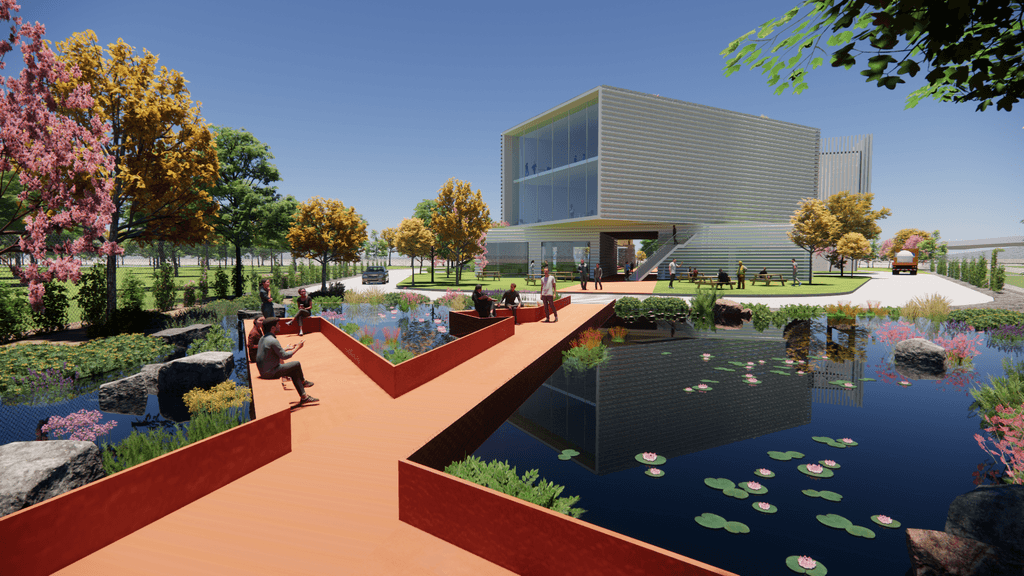
The rain garden forms a water feature that brings new dimension to the space after rain. It becomes a gathering spot for staff to take a break, allowing people to experience nature and relaxation within the built environment.
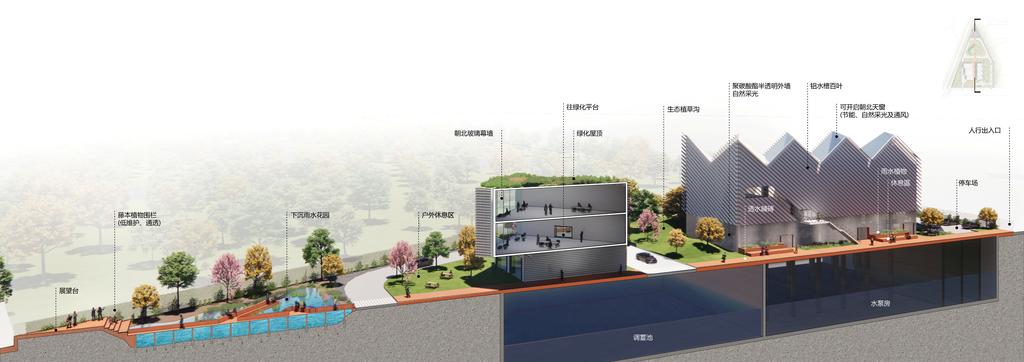
Through the integration of rain gardens, green terraces, topographical design, and permeable paving, the landscape effectively manages stormwater runoff and drainage during heavy rainfall. In addition to playing a key role in managing urban stormwater, the stormwater station is also capable of processing rainwater collected on its own site—contributing to a reliable and sustainable infrastructure for the urban environment.
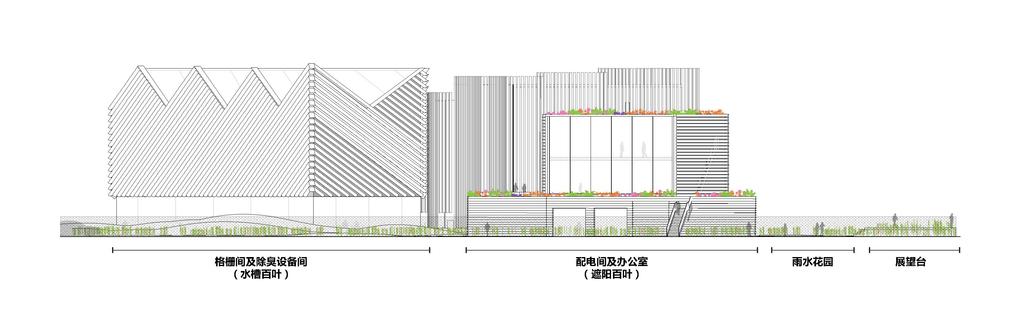
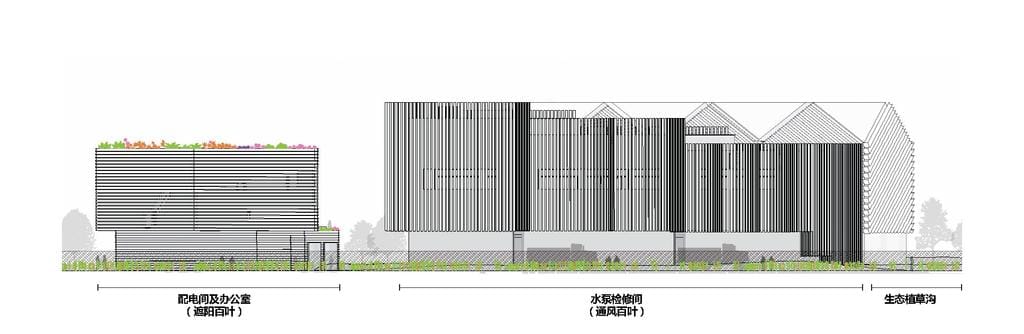
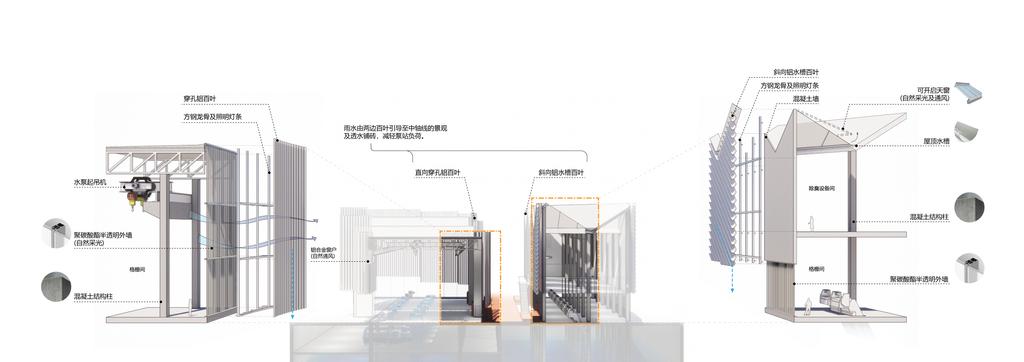
Inspired by traditional roof gutters, the design incorporates components that discreetly manage rainwater, utilizing the building facade as a visual water feature. It integrates knowledge of the water cycle, offering an educational and engaging experience. Light-coloured louvers and gutter design create a transparent and light-weight facade, making the stormwater station appear as delicate as gently falling raindrops. Materials such as concrete and weathering steel establish the building’s foundational tones, fostering a harmonious dialogue between industrial functionality and material application.
The semi-transparent exterior walls allow indoor lighting to filter through to the central axis corridor, providing illumination at night. Meanwhile, the warm-toned weathering steel material reflects the light, creating a warm and humanized spatial atmosphere.